
Chemical Industry
CFD & Process Simulation
MACPROTEC provides comprehensive Computational Fluid Dynamics (CFD), reactor mixing, multiphase reactive flow, thermal management, heat exchanger flow distribution, industrial gas dispersion ventilation, pipe stress analysis, and root cause investigation tailored specifically to chemical and petrochemical processing facilities.
MACPROTEC Specialized Chemical Discipline
Our domain covers reactor mixing, agitator optimization, multiphase reaction kinetics, thermal jacketing, gas dispersion, and vessel FEA.
Engineering Services
Cards for MACPROTEC specialized CFD and process engineering disciplines applied to chemical manufacturing. Click any card to inspect its complete technical dossier below.
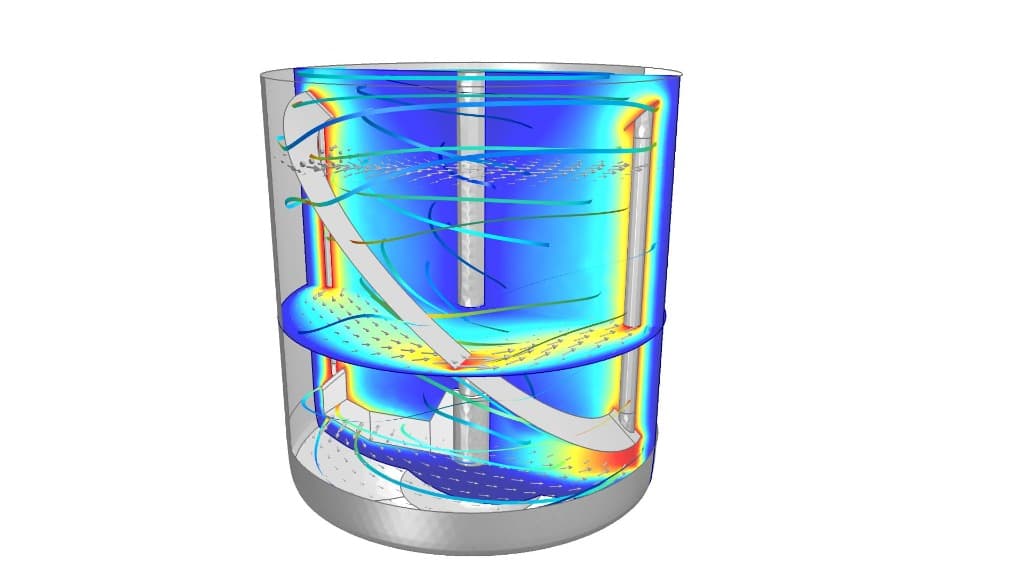
Mixing, Agitation & Reactor CFD Analysis
CFD modeling of fluid circulation, impeller dynamics, reactant homogenization, residence time distribution (RTD), and dead-zone elimination in chemical reactors.
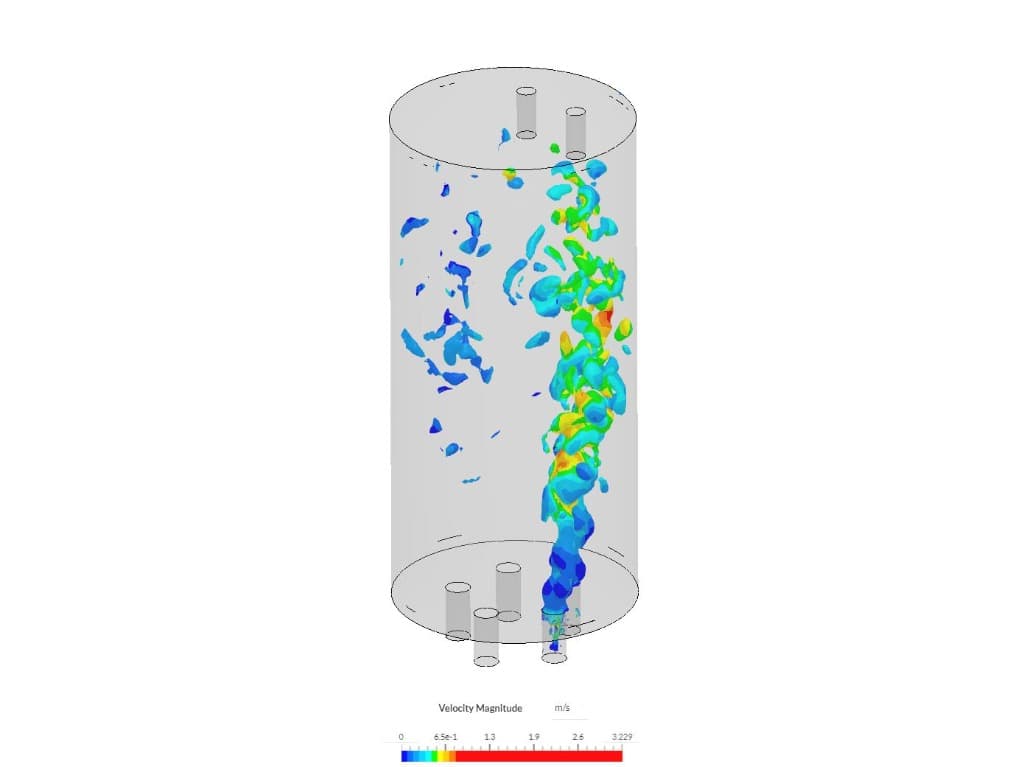
Multiphase & Reactive Flow CFD Analysis
Simulation of complex gas-liquid-solid interactions, species transport, interphase mass transfer, and chemical kinetics in multiphase chemical reactors.
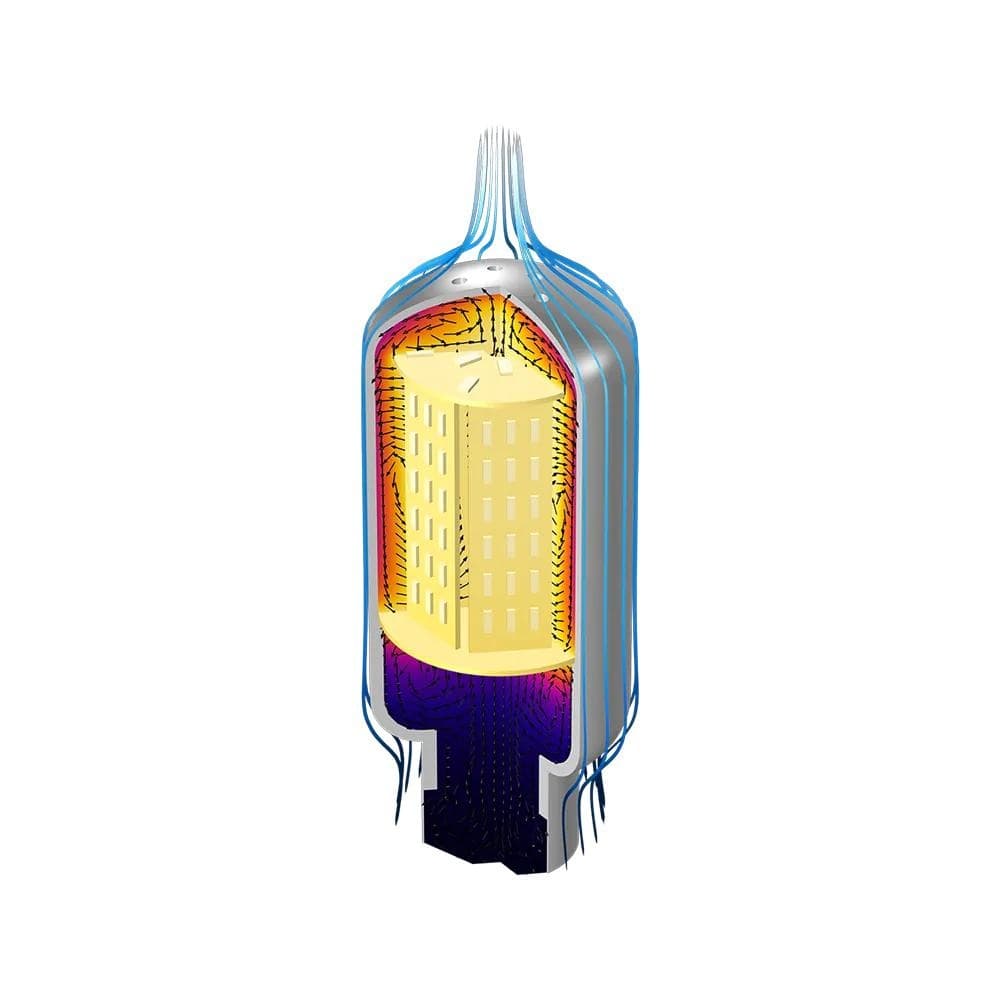
Thermal & Heat Transfer Analysis
Evaluation of thermal gradients, jacket/coil heating efficiency, heat losses, and hot spot diagnostics across reactors and chemical processing equipment.
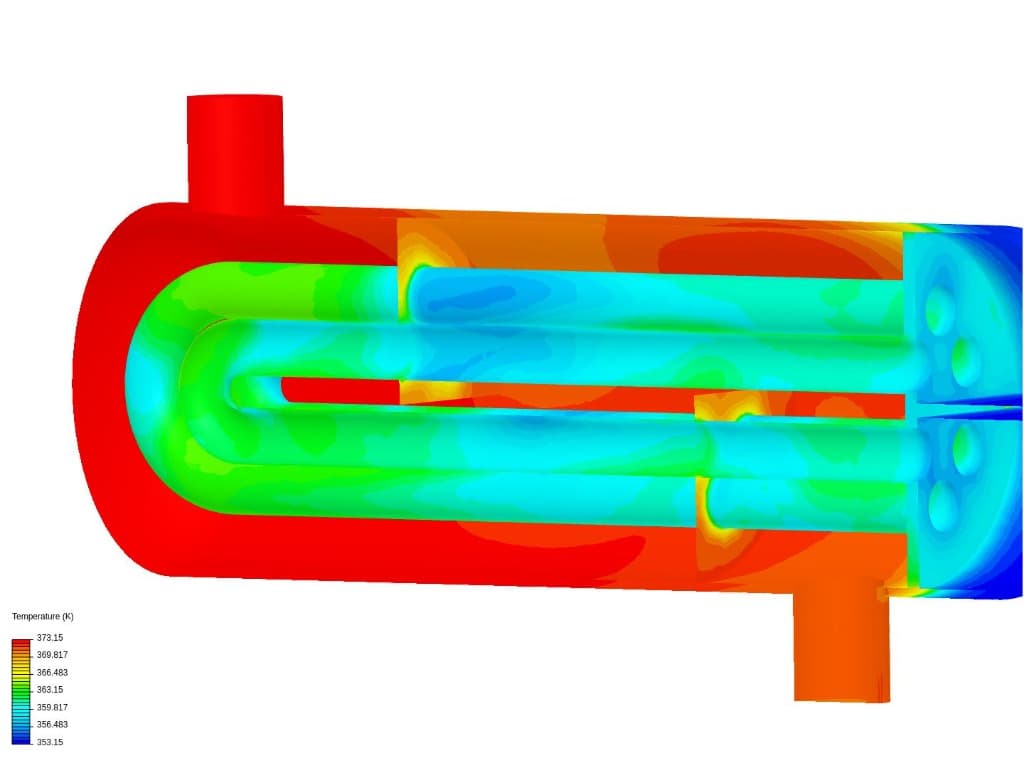
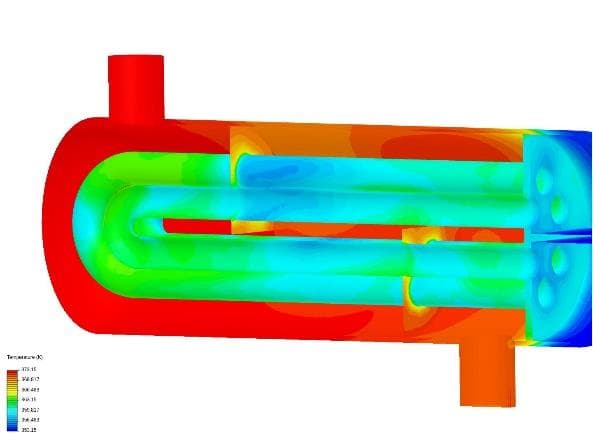
Heat Exchanger Performance & Flow Distribution Analysis
CFD analysis of shell-side and tube-side flow distribution, bypassing, pressure drop, thermal effectiveness, and fouling mitigation.
Gas Dispersion & Industrial Ventilation CFD Analysis
Simulation of toxic, flammable, or volatile chemical vapor dispersion, airflow patterns, ventilation effectiveness, and gas detector placement.
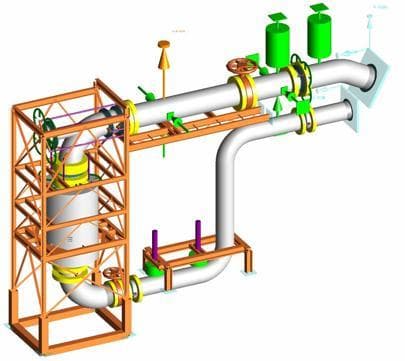
Pipe Stress Analysis & Support Design
Pipe stress evaluation and support layout engineering under thermal expansion, pressure, nozzle loads, and corrosive fluid conditions.
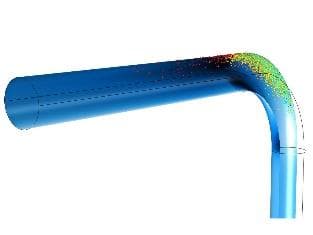
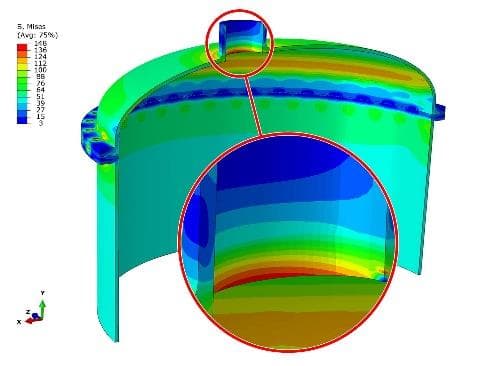
Pressure Vessel, Storage Tank & Structural FEA
Finite Element Analysis (FEA) of stress concentrations, thermal-mechanical fatigue, buckling, and nozzle loads in chemical reactors and storage tanks.
Root Cause Engineering Investigation
Systematic multi-physics investigation (CFD + FEA + process simulation) to pinpoint root causes of poor mixing, erosion, hot spots, or unexpected breakdowns.
Service Technical Dossier
Detailed physics specifications, deliverables, engineering analyses, and key benefits.
Mixing, Agitation & Reactor CFD Analysis
Mixing and reaction performance are critical to product quality, conversion efficiency, process stability, and energy consumption in chemical manufacturing. Poor circulation, inadequate mixing, dead zones, short-circuiting, or non-uniform reactant distribution can result in incomplete reactions, inconsistent product quality, excessive batch time, and increased operating costs.
MACPROTEC applies advanced CFD simulations to analyze fluid circulation, mixing dynamics, species distribution, heat transfer, and reaction behavior inside chemical reactors and mixing equipment. Our studies help optimize agitator configuration, operating conditions, feed locations, and vessel internals to achieve uniform mixing, efficient mass transfer, and improved reactor performance.
- Mixing and circulation pattern analysis
- Agitator and impeller performance evaluation
- Velocity distribution and dead-zone identification
- Mixing time and homogenization assessment
- Residence time distribution (RTD) analysis
- Species and reactant concentration distribution
- Gas-liquid dispersion and mass transfer analysis
- Temperature and heat transfer uniformity assessment
- Reaction and species transport modeling
- Impeller type, speed, position, and configuration optimization
- Feed/injection location optimization
- Velocity, streamline, and circulation visualizations
- Mixing time and uniformity assessment
- Species/concentration distribution contours
- Residence time distribution analysis
- Dead-zone and short-circuiting identification
- Agitator and impeller performance assessment
- Comparative evaluation of design and operating scenarios
- Engineering recommendations for mixing and reactor optimization
- Improve mixing uniformity and reaction efficiency
- Reduce mixing and batch processing time
- Eliminate dead zones and poor circulation regions
- Improve reactant and additive distribution
- Enhance product consistency and quality
- Improve heat and mass transfer performance
- Reduce agitator power consumption through optimized operation
- Support reactor debottlenecking and capacity improvement
- Validate design modifications before plant implementation
Why Choose MACPROTEC for Simulation?
We combine deep chemical engineering process knowledge with advanced computational physics to solve complex reactor mixing, multiphase kinetics, and thermal challenges.
Deep Chemical Industry Domain Expertise
Specialized chemical process and fluid dynamics engineers with extensive experience across stirred tank reactors, multiphase contactors, heat exchangers, and toxic gas dispersion.
High-Fidelity Reaction & Multiphase Physics
Advanced CFD modeling of species transport, reaction kinetics, gas-liquid mass transfer, particle suspension, and residence time distribution (RTD).
Zero Shutdown Virtual Optimization
Test agitator impeller designs, feed injection locations, jacket cooling configurations, and ventilation layouts in a virtual CFD environment prior to physical plant changes.
Actionable Engineering Deliverables
Clear visual concentration maps, velocity streamlines, temperature contours, ASME code pipe stress reports, and CAD-ready equipment modification drawings.
Process Safety & Hazard Control
Targeted toxic and flammable gas dispersion modeling, hazardous accumulation identification, and gas detector placement optimization for safer plant operation.
Proven Debottlenecking Track Record
Consistently resolving poor reactor mixing, liquid carryover, heat exchanger fouling, local hot spots, and pipe stress overload in chemical processing facilities.
Optimize Your Chemical & Reactor Operations
Get a Tailored Simulation Proposal
Connect with our senior engineering team to evaluate reactor kinetics, agitator designs, CAD geometry, and target performance improvements.